
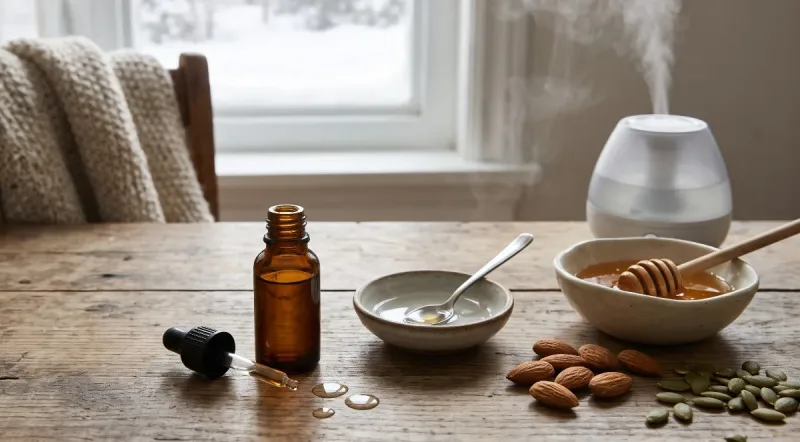
Reaching into your pocket for a tube of lip balm every twenty minutes is a familiar ritual for millions. You apply a layer, feel temporary relief for a brief window, and then—within an hour—your lips feel tighter, rougher, and more parched than before. This relentless loop creates a frustrating dependency, leaving many to wonder why a product designed to heal chapped lips seems to perpetuate the problem.
The truth is that recurring chapped lips (clinically referred to as cheilitis) are rarely caused by an absence of wax or petroleum jelly. Instead, chronic peeling, stinging, and cracking are symptoms of an underlying barrier breakdown, contact sensitivity, or nutritional imbalance.
Learning how to get rid of recurring chapped lips without constantly applying balm requires stepping away from the temporary occlusive seal and addressing the physiological triggers that cause lip tissue to dehydrate in the first place.
The Biology of Lips: Why Lip Skin Is Structurally Vulnerable
To end the cycle of chronic peeling, you must understand how lip tissue differs fundamentally from the skin covering the rest of your body:
-
No Sebaceous (Oil) Glands: Unlike facial skin, the vermilion border and mucosa of your lips contain virtually no oil glands. They cannot produce their own protective lipid mantle to slow down moisture loss.
-
Ultra-Thin Stratum Corneum: Normal facial epidermis has up to 16 cell layers within the stratum corneum; lips have only three to five transparent layers. This makes the underlying capillary bed visible (giving lips their natural pink tone) but leaves tissue susceptible to friction, UV rays, and arid air.
-
Absence of Melanin Protection: Lips produce minimal melanin, rendering them vulnerable to chronic photodamage and solar cheilitis.
-
Elevated Transepidermal Water Loss (TEWL): Because lips lack natural lipids and have an ultra-thin cellular shield, moisture evaporates from lips at a rate three to four times faster than from cheeks or forehead skin.
When you continuously coat compromised lips with heavy, non-breathable waxes, you signal your skin's deeper strata to downregulate its innate repair processes. When the balm rubs off, exposed, unconditioned tissue faces environmental stress without an established cellular defense.
Why Common Lip Balms Make Chapping Worse
If balms are meant to soothe, why do they keep lips trapped in a state of recurring irritation? The culprit usually lies in cosmetic formulation chemistry.
1. Hidden Contact Allergens and Sensitizers
Many conventional balms include ingredients designed to produce a sensory experience—a cooling tingle or pleasant scent. These additives are common irritants that provoke subclinical allergic contact cheilitis:
-
Menthol, Camphor, and Phenol: These ingredients strip the outer epithelial layer, creating a cooling sensation that temporarily distracts nerve endings from pain while accelerating cellular desiccation.
-
Synthetic Flavors and Fragrances: Cinnamic aldehyde, peppermint oil, vanillin, and citrus extracts are frequent culprits behind contact allergies.
-
Lanolin: While sheep wool wax is a capable emollient, lanolin is also a well-documented contact allergen that induces swelling, tiny perioral bumps, and persistent peeling in sensitive users.
2. Occlusion Without Hydration
An occlusive agent (such as petrolatum, paraffin, or beeswax) does not hydrate; it simply prevents water from escaping. If you apply an occlusive over already bone-dry, dehydrated lip tissue, you are locking out atmospheric humidity without supplying moisture to the underlying cells.
7 Science-Backed Ways to Heal Recurring Chapped Lips Naturally
1. The Humectant-to-Lipid "Double Seal" Technique
Rather than relying on waxy sticks, treat your lips using the dermatological principle of humectant-first saturation:
-
Step 1 (Hydrate): Splash your lips with fresh water, then tap one drop of pure vegetable glycerin or 100% pure hyaluronic acid serum onto damp tissue. Glycerin is a low-molecular-weight humectant that pulls water deep into the vermilion mucosa.
-
Step 2 (Seal): While your lips are still wet, lock the hydration in with a single drop of pure, cold-pressed jojoba oil or plant-derived squalane. Squalane and jojoba mimic natural human sebum, integrating with intercellular lipids without occlusive waxes.
-
Apply this routine once in the morning and once before bed. Your lips remain soft and supple throughout the day without the need for constant reapplication.
| Treatment Strategy | Biological Mechanism | Key Benefit | Application Frequency |
| Glycerin + Squalane | Humectant binding + biomimetic lipid seal | Restores internal water without reliance on wax | Twice daily (AM / PM) |
| SLS-Free Toothpaste | Removes mucosal irritants & detergents | Stops chronic perioral barrier breakdown | Permanent switch |
| Cool-Mist Humidifier | Reduces air-to-tissue moisture gradient | Halts overnight transepidermal water loss | Nightly during sleep |
| B-Complex & Zinc | Corrects nutritional deficiencies | Heals cell turnover in angular fissures | Daily dietary focus |
2. Eliminate Sodium Lauryl Sulfate (SLS) From Your Dental Routine
One of the most overlooked drivers of recurring chapped lips is your morning and evening oral hygiene routine.
Sodium Lauryl Sulfate (SLS) is an aggressive foaming surfactant found in standard toothpastes. As you brush, toothpaste foam spreads onto the vermilion border. SLS strips away the fragile lipid layer of your lips and degrades cellular junctions, causing micro-fissures, stinging, and chronic flaking around the perimeter of the mouth.
-
Action Plan: Switch to an SLS-free, essential-oil-free toothpaste for four weeks. Many people resolve weeks or months of unexplained lip peeling simply by making this single swap.
-
Protective Tip: Apply a protective smear of squalane oil over your lips before brushing to act as a barrier against incidental foam exposure, and always rinse your mouth and lip borders with clean water afterward.
3. Stop the "Saliva-Lick-Dry" Paradox
When lips feel tight, the instinctive reaction is to run your tongue over them. This creates an immediate sensation of comfort, but it accelerates drying through an evaporative feedback loop.
Human saliva is not water; it is a digestive fluid rich in enzymes like amylase and maltase, designed to break down carbohydrates and tissues. When saliva evaporates off your lips, it carries native surface water with it while depositing these digestive enzymes directly onto your raw mucosal skin. The enzymes steadily erode the outer layers, triggering lip-licker's cheilitis.
-
Break the psychological habit by pressing your lips together firmly instead of licking them when you notice a dry sensation.
-
Sip room-temperature water through a wide cup rather than constantly wetting your lips with your tongue.
4. Correct Underlying Micronutrient Deficiencies
Chronic, treatment-resistant peeling and cracking—especially cracks that split at the mouth's corners (angular cheilitis)—frequently signal an internal micronutrient shortage:
-
Vitamin B2 (Riboflavin) & B6 (Pyridoxine): Deficiencies disrupt cellular energy generation and tissue maintenance, leading to red, inflamed, fissured lips.
-
Vitamin B12 & Folate: Crucial for rapid red blood cell synthesis and DNA repair across fast-turnover mucosal linings.
-
Zinc: Essential for wound healing and membrane integrity. Low zinc impairs the skin's capacity to regenerate healthy epithelial layers.
-
Iron (Ferritin): Suboptimal iron levels restrict oxygen transfer to microcapillaries at the lip borders, leaving tissues thin, pale, and brittle.
Incorporate daily dietary sources of these nutrients: pasture-raised eggs, wild fatty fish, pumpkin seeds, dark leafy greens, nutritional yeast, and lentils.
5. Sleep with a Cool-Mist Humidifier
Most lip moisture loss takes place at night. As ambient temperatures drop and heating units dry out indoor air, relative humidity in bedrooms often dips below 25%.
Furthermore, many sufferers are nocturnal mouth breathers due to nasal congestion, deviated septums, or sleeping postures. Mouth breathing pulls arid air across the lip mucosa for seven to eight continuous hours, drying out the tissue by dawn.
-
Run an ultrasonic cool-mist humidifier directly beside your bed to maintain ambient relative humidity between 40% and 50%.
-
Keep nasal passages clear using saline sprays before bed to encourage natural nasal breathing throughout the night.
6. Address Fungal and Bacterial Overgrowth
When lips remain cracked for an extended period, small fissures become entry points for opportunistic microorganisms, notably Candida albicans (a yeast) or Staphylococcus aureus (a bacterium).
If the corners of your mouth look red, white, or macerated, or if your lips burn persistently when drinking water or eating mild foods, continuous application of wax balms can worsen the problem by trapping moisture and feeding fungal biofilms.
-
Avoid waxy barriers until the infection resolves.
-
Natural topical washes, such as diluted raw apple cider vinegar (one part vinegar to four parts water) tapped onto the outer corners, can restore an acidic environment hostile to yeast. If symptoms persist, a clinician can prescribe a targeted, non-greasy antifungal or antibacterial topical agent.
7. Gentle, Non-Mechanical Enzymatic Exfoliation
When dead skin flakes accumulate, the temptation to peel, pick, or scrub them with coarse sugar pastes is strong. However, aggressive mechanical friction tears healthy, living cells beneath the flake, causing micro-bleeding and triggering reactive scar-like thickening (hyperkeratosis).
-
Never manually pick or peel dry lip flakes.
-
Soften dead tissue by holding a warm, wet washcloth against your lips for two minutes.
-
Use the natural enzymes found in raw organic honey: apply a thin film of raw honey for 10 minutes. Honey's natural gluconic acid gently dissolves dead protein cross-links, while its natural antimicrobial peptides soothe irritation. Rinse cleanly with tepid water and seal immediately with one drop of squalane.
5 Daily Steps to Maintain Healthy Lips Naturally
-
Morning: Rinse mouth after brushing with an SLS-free paste. Pat lips dry and apply a single drop of vegetable glycerin followed by one drop of jojoba oil.
-
Midday: Stay hydrated with water and avoid licking or biting your lips throughout working hours.
-
After Meals: Gently rinse the lips with plain water to clear away acidic, spicy, or salty food residues, which irritate fragile mucosal tissue.
-
Evening: Use a warm water compress to soften dead skin flakes—never pick or peel them.
-
Bedtime: Place a cool-mist humidifier by your nightstand, and apply a drop of squalane oil over damp lips before going to sleep.
Medical Disclaimer:The educational material and holistic strategies detailed in this article are provided for informational purposes only and do not serve as a substitute for professional medical advice, clinical diagnosis, or specialized treatment. Chronic, unresolving lip fissures, burning, or bleeding may signify underlying health concerns such as actinic cheilitis, contact allergies, autoimmune disorders, or fungal infections. Always consult a board-certified dermatologist, allergist, or healthcare professional if your lip symptoms fail to improve after two weeks of consistent, gentle care.



Comments
No comments yet. Be the first to ask a question or share an update.
Leave a comment
Your mobile number is never published. Comments appear after review. Website links, email addresses and code are not allowed.