
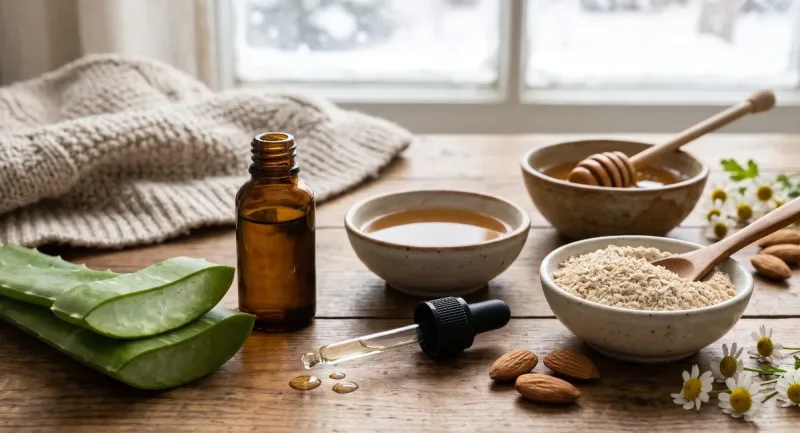
An itchy, inflamed, or stinging scalp can quickly become an overwhelming daily discomfort. When your scalp turns red and irritated, routine activities like brushing your hair, stepping into a warm shower, or styling your strands can trigger burning sensations and persistent flaking.
Many people immediately reach for aggressive medicated coal-tar shampoos or harsh chemical rinses. However, these stripping formulas often dehydrate delicate follicular tissue, worsening the underlying barrier breakdown. To calm inflammation and rebalance your epidermal microbiome, the most sustainable solution is to leverage targeted, non-stripping botanicals.
Using scientifically backed natural home treatments to reduce scalp redness and irritation, you can restore your scalp's protective acid mantle, tame microbial overgrowth, and soothe persistent sensitivity right from home.
The Biology of Scalp Sensitivity: Why Does Scalp Skin Turn Red and Irritated?
The scalp is a unique anatomical zone. It contains the highest concentration of hair follicles on the human body, accompanied by an extensive network of sebaceous (oil) glands and sensory nerve fibers. Despite having a robust blood supply, the scalp epidermis is vulnerable to barrier disruption.
Scalp redness (erythema) and irritation typically stem from four primary biological pathways:
-
Malassezia Yeast Proliferation (Seborrheic Dermatitis): Malassezia is a lipophilic yeast that lives naturally on human skin, feeding on sebum lipids. When sebum oxidation occurs or immune regulation shifts, this yeast metabolizes triglycerides into oleic acid. In sensitive individuals, oleic acid penetrates the stratum corneum, provoking immune-mediated inflammation, scaling, and angry red patches.
-
Contact Allergic Dermatitis: Everyday haircare products frequently contain sensitizing foaming agents like Sodium Lauryl Sulfate (SLS), synthetic perfumes, parabens, and preservatives (such as methylisothiazolinone). These dissolve the lipid envelope between epidermal cells, leaving nerve endings exposed.
-
Acid Mantle Alkaline Shifts: Healthy scalp skin operates at a naturally acidic pH between 4.5 and 5.5. Standard municipal tap water and basic soap bars disrupt this pH, swelling hair cuticles, drying the epidermis, and allowing opportunistic microbes to thrive.
-
Thermal and Mechanical Micro-Trauma: Scalding shower water, aggressive fingernail scrubbing, tight hairstyles (traction tension), and intense blow-drying cause localized vascular dilation, producing visible flushing and chronic soreness.
7 Proven Natural Home Treatments to Reduce Scalp Redness and Irritation
1. The Raw Apple Cider Vinegar (ACV) Acid-Mantle Reset
Apple cider vinegar contains naturally occurring acetic acid, along with traces of malic acid and beneficial enzymes. It works primarily by re-acidifying the scalp surface.
When the scalp is brought back to its biological pH of 4.5 to 5.5, the environment becomes naturally hostile to inflammatory Malassezia yeast and Staphylococcus bacteria, while intercellular ceramides lock into place to seal in natural moisture.
-
How to Prepare: Dilute 2 tablespoons of raw, unpasteurized apple cider vinegar (with "the mother") into 1 cup of lukewarm, filtered water. Never apply neat, undiluted vinegar to an inflamed scalp.
-
The Method: Wash your hair with a gentle, sulfate-free cleanser. Pour the diluted ACV rinse slowly over your parted hair sections, gently pressing it onto the scalp with your fingertips.
-
Duration: Leave it on for 3 to 5 minutes, then rinse thoroughly with cool water.
-
Frequency: Use once or twice weekly.
| Treatment Method | Key Bioactive Property | Primary Target Mechanism | Ideal Application Frequency |
| Diluted Apple Cider Vinegar | Acetic & Malic Acids | Restores natural pH 4.5–5.5; limits yeast | 1–2 times weekly |
| Pure Aloe Vera Gel | Acemannan & Bradykinase | Inhibits inflammation; delivers cooling hydration | 2–3 times weekly |
| Colloidal Oatmeal Rinse | Avenanthramides & Beta-Glucans | Calms neurogenic itching; coats dry skin | As needed for flare-ups |
| Diluted Tea Tree Oil | Terpinen-4-ol | Antimicrobial & antifungal defense | Once weekly |
| Cold Chamomile Infusion | Chamazulene & Bisabolol | Suppresses histamine and capillary redness | 2–3 times weekly |
2. Pure Aloe Vera Gel & Bradykinase Calming Pack
Aloe vera is renowned for wound healing due to its unique polysaccharide profile, predominantly acemannan, and an anti-inflammatory enzyme called bradykinase.
Bradykinase actively inhibits vascular dilation and reduces inflammatory swelling on direct dermal contact. Furthermore, aloe supplies a high water-volume hydration boost without adding heavy oils that could feed lipophilic yeasts.
-
How to Prepare: Scoop fresh inner-leaf gel from an organic aloe vera leaf, or use 99% pure, cold-pressed, alcohol-free bottled aloe gel.
-
The Method: Part your hair in sections and smooth the cool gel directly along the inflamed paths of your scalp using clean fingertips.
-
Duration: Allow the aloe pack to sit undisturbed for 20 to 30 minutes. Its cooling sensation brings immediate relief to burning or throbbing skin.
-
Rinse: Wash away with lukewarm water.
3. Colloidal Oatmeal Scalp Milk Soak
While oatmeal is commonly associated with body baths, colloidal oatmeal is equally potent for the scalp. It contains concentrated avenanthramides—polyphenolic compounds that block the release of inflammatory cytokines and histamine.
-
How to Prepare: Blend whole, pesticide-free oats into a micronized, flour-like powder. Whisk 3 tablespoons of this powder into 2 cups of warm water until a silky, milky emulsion forms. Strain out coarse particles using cheesecloth or a fine-mesh sieve.
-
The Method: Pour this soothing oat milk over your damp scalp, ensuring full coverage over red or flaking areas.
-
Duration: Massage lightly for 2 minutes, then let it rest for 10 minutes before rinsing with cool water.
-
The Result: Beta-glucans in the oats leave a microscopic, breathable moisture barrier that protects exposed sensory nerves against mechanical friction.
4. Diluted Tea Tree Oil in Jojoba Oil
Tea tree oil is a potent botanical antimicrobial rich in terpinen-4-ol, an active compound proven to rupture fungal cell membranes of Malassezia without inducing antibiotic resistance.
Because neat tea tree oil is a known sensitizer when used undiluted, it must always be blended into a lightweight, non-comedogenic carrier. Jojoba oil is the ideal partner because it is structurally a liquid wax ester that mimics human sebum, tricking the scalp into moderating excess oil production without clogging pores.
-
How to Prepare: Mix 2 to 3 drops of 100% pure tea tree essential oil into 2 tablespoons of cold-pressed jojoba oil.
-
The Method: Warm the mixture between your palms and gently massage it onto targeted red spots 30 minutes before showering.
-
Rinse: Shampoo cleanly with a gentle, non-foaming wash.
5. Cold Chamomile & Green Tea Scalp Tonic
When redness is accompanied by warm, throbbing discomfort, an antioxidant-rich botanical compress provides rapid vascular relief.
Chamomile contains chamazulene and alpha-bisabolol, which soothe irritated cutaneous tissue, while green tea provides epigallocatechin gallate (EGCG), a polyphenol that suppresses excessive sebum secretion and protects follicular dermal papilla cells.
-
How to Prepare: Steep one bag of pure chamomile tea and one bag of organic green tea in 2 cups of boiled water for 15 minutes. Remove the bags and chill the infusion in the refrigerator until thoroughly cold.
-
The Method: Transfer the chilled brew into a clean spray bottle. Part your hair and mist the tonic generously across your scalp.
-
Application Tip: Leave this botanical rinse in without washing it out, or apply it as a soothing midday refresh after workouts or exposure to the sun.
6. Raw Honey and Warm Water Therapeutic Mask
Raw, unpasteurized honey has been utilized across dermatology for centuries due to its natural enzymatic production of tiny concentrations of hydrogen peroxide, its rich flavonoid profile, and its osmotic humectant strength.
Clinical studies on chronic seborrheic dermatitis demonstrate that topical application of raw honey diluted with warm water significantly diminishes pruritus, scaling, and redness within days:
-
How to Prepare: Mix 3 tablespoons of raw, unpasteurized honey with 1 tablespoon of warm filtered water (a 9:1 ratio by weight) to create an easily spreadable fluid.
-
The Method: Apply the honey mixture directly to dry or damp patches on the scalp.
-
Duration: Cover with a shower cap and leave on for 30 minutes to 1 hour.
-
Rinse: Rinse thoroughly with lukewarm water. The honey washes out easily without leaving sticky residue.
7. Coconut-Free Lightweight Moisture with Squalane
Many people instinctively rub virgin coconut oil into an irritated scalp. However, coconut oil is composed of nearly 50% lauric acid, a saturated lipid that certain scalp yeasts consume, which can inadvertently trigger fungal flaking and inflammatory flares in seborrheic-prone skin.
If your scalp is tight, peeling, and arid, choose 100% plant-derived squalane instead:
-
Squalane is fully saturated, stable, and completely non-comedogenic.
-
It does not feed Malassezia yeast strains.
-
Smooth 4 to 6 drops directly into dry scalp areas after washing to replenish the lipid seal without greasy build-up.
4 Crucial Habits to Prevent Scalp Irritation from Returning
-
Lower Your Shower Water Temperature: Hot water dissolves the scalp's delicate stratum corneum lipids and causes dilated capillaries that manifest as redness. Keep shower water lukewarm or cool.
-
Eliminate Synthetic Fragrance and Sulfates: Scrutinize hair product ingredient labels. Discard formulas containing "Fragrance/Parfum," Sodium Lauryl Sulfate (SLS), ammonium laureth sulfate, and strong alcohol denaturants.
-
Never Sleep with Wet Hair: Going to bed with damp roots creates an ideal, humid microclimate that encourages rapid microbial and fungal proliferation on your scalp and pillowcase. Gently diffuse or air-dry your hair before resting your head.
-
Use Seamless, Wide-Tooth Wooden Combs: Plastic combs with sharp molding seams scratch the scalp, creating micro-fissures that allow irritants to enter. Opt for smooth, wide-tooth combs and never use aggressive fingernail scraping when shampooing.
Weekly Scalp Recovery Routine
-
Day 1 (Clarify & Rebalance): Apply an ACV rinse (1:8 ratio) after shampooing with a gentle, fragrance-free cleanser.
-
Day 3 (Cool & Calm): Apply pure aloe vera gel along parts 30 minutes before a lukewarm rinse.
-
Day 5 (Antimicrobial Defense): Pre-wash scalp massage using 2 drops of tea tree oil in jojoba oil; leave for 20 minutes, then shampoo.
-
Daily Support: Mist with cold green/chamomile tea after sweating or when experiencing tight discomfort, and ensure ambient bedroom humidity is maintained around 45% to 50%.
Medical Disclaimer:The educational material, botanical remedies, and instructions detailed in this article are provided strictly for informational and cosmetic purposes and should not be construed as medical advice, clinical diagnosis, or treatment. Persistent scalp inflammation, intense scaling, weeping lesions, and localized hair loss can signify complex dermatological conditions such as scalp psoriasis, severe seborrheic dermatitis, lichen planopilaris, or secondary bacterial infections. Always consult a licensed dermatologist or medical practitioner before initiating new home protocols, especially if your skin is cracked, broken, or unresponsive to gentle interventions.


Comments
No comments yet. Be the first to ask a question or share an update.
Leave a comment
Your mobile number is never published. Comments appear after review. Website links, email addresses and code are not allowed.