
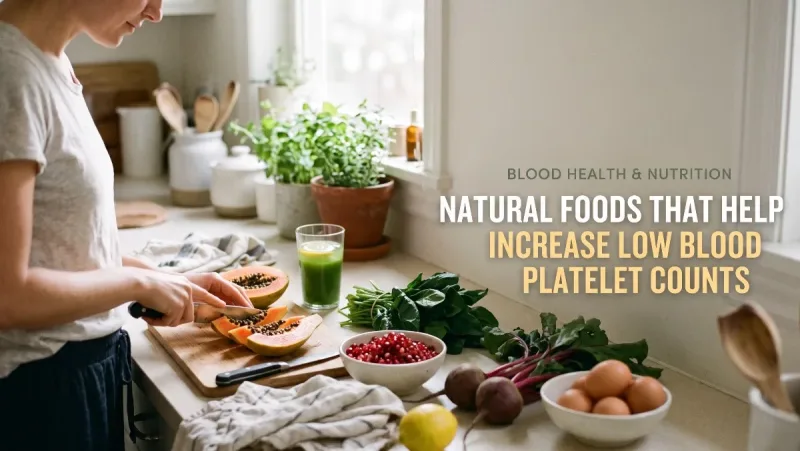
Receiving a complete blood count (CBC) report showing a low platelet count—clinically termed thrombocytopenia—can be deeply concerning. Platelets (thrombocytes) are tiny, disc-shaped cell fragments circulating throughout your bloodstream that play a vital role in hemostasis, the process that stops bleeding. When your count drops below normal physiological levels (typically 150,000 to 450,000 platelets per microliter of blood), your body loses its quick-response clotting mechanism. Minor bumps turn into deep bruises, superficial cuts bleed persistently, and fatigue sets in.
The most effective natural foods that help increase low blood platelet counts are whole, nutrient-dense staples rich in bioavailable folate (vitamin B9), vitamin B12, vitamin C, vitamin K, iron, and potent plant polyphenols. These essential micronutrients provide your bone marrow’s giant megakaryocytes with the precise biological building blocks required to synthesize, mature, and release healthy platelets into circulation. Foundational dietary additions include papaya leaf extract, ripe papaya fruit, pomegranate, fresh beetroots, dark leafy greens, pasture-raised eggs, citrus fruits, and pumpkin seeds.
While serious hematological disorders require targeted medical intervention, optimizing your daily nutrition is an evidence-based way to support megakaryopoiesis (platelet production), combat cellular oxidative stress, and protect existing circulating thrombocytes from premature destruction. Below is a detailed nutritional guide examining the physiology of platelets, the key nutrients your bone marrow requires, the top platelet-boosting foods, and critical dietary saboteurs to eliminate.
The Physiology of Platelets: How Bone Marrow Produces Thrombocytes
To understand how nutrition influences your platelet levels, it helps to examine their production in the body.
Platelets are not full cells; they have no cell nucleus. Instead, they are active cytoplasmic fragments shed by massive precursor cells in your spongy bone marrow known as megakaryocytes. A single megakaryocyte can release thousands of platelets into your bloodstream.
Once released, healthy platelets circulate for roughly 7 to 10 days before being filtered and degraded by the spleen and liver.
When your platelet count dips below 150,000/μL, it generally stems from one of three physiological mechanisms:
-
Decreased Production: The bone marrow lacks essential micronutrient cofactors (such as folate or vitamin B12 deficiency), or hematopoietic stem cells are suppressed by viral infections (dengue, viral hepatitis, Epstein-Barr) or toxins.
-
Increased Destruction: Autoimmune antibodies attack circulating platelets, or systemic oxidative stress and inflammation destroy them prematurely in the peripheral blood.
-
Splenic Sequestration: An enlarged spleen traps and hoards a disproportionate number of platelets, preventing them from circulating freely.
By delivering specific micronutrients through your diet, you support DNA synthesis in developing megakaryocytes, reduce inflammatory destruction of circulating thrombocytes, and reinforce blood vessel integrity.
5 Essential Nutrients That Drive Platelet Synthesis
Before exploring specific foods, let us break down the five micronutrients your bone marrow relies on most:
1. Folate (Vitamin B9)
Folate is indispensable for normal cellular division and rapid DNA replication. Because bone marrow has one of the fastest cell-turnover rates in the human body, folate deficiency directly stalls megakaryocyte maturation, leading to severe thrombocytopenia alongside megaloblastic anemia.
2. Vitamin B12 (Cobalamin)
Vitamin B12 works in close synergy with folate to produce healthy blood cells. Inadequate B12 levels prevent normal cellular division in hematopoietic tissues, causing defective, undersized, or fragile platelets that break down rapidly.
3. Vitamin C (Ascorbic Acid)
Vitamin C is a powerful water-soluble antioxidant that protects circulating platelets from oxidative free-radical damage. Clinically, vitamin C has been demonstrated to improve platelet aggregation capacity, enhance iron absorption across the gut wall, and fortify the endothelial walls of blood vessels to curb spontaneous bruising.
4. Vitamin K
While vitamin K does not directly increase the raw number of platelets produced, it is an indispensable cofactor for gamma-glutamyl carboxylase, the enzyme required to activate blood clotting factors (Factors II, VII, IX, and X). Without adequate vitamin K, platelets cannot cross-link properly with fibrin nets to stop active bleeding.
5. Iron
Iron is essential for healthy cellular respiration, hemoglobin synthesis, and early hematopoiesis. Severe iron-deficiency anemia is frequently accompanied by low or dysregulated platelet counts because depleted bone marrow cells lack the oxygenation needed to complete megakaryocyte division.
8 Top Natural Foods That Help Increase Low Blood Platelet Counts
Integrating these whole foods into your daily meals supplies your body with the raw materials needed for platelet recovery:
1. Papaya Leaf Extract and Fresh Papaya Fruit
Carica papaya—particularly its bitter green leaves—is widely studied for its ability to raise platelet counts, especially in post-viral states such as dengue fever.
-
The Active Mechanism: Papaya leaves contain active alkaloids, flavonoids, and glucosides that upregulate the activity of the ALOX12 (Arachidonate 12-lipoxygenase) and PTDSR (phosphatidylserine receptor) genes. These genes accelerate megakaryocyte differentiation and significantly increase platelet production in the bone marrow.
-
How to Consume: Fresh papaya leaf juice can be prepared by crushing clean young leaves and straining the bitter liquid (typically 1 to 2 tablespoons daily during acute recovery). Alternatively, consuming fresh, ripe papaya fruit delivers high concentrations of vitamin C, folate, and digestive enzymes like papain.
2. Pomegranate
The deep crimson seeds of the pomegranate (Punica granatum) are packed with polyphenols, tannins, and bioavailable iron.
-
The Active Mechanism: Pomegranates are rich in anthocyanins and punicalagins, which neutralize free radicals that target platelet membranes. Additionally, their high mineral and vitamin C content supports sustained cellular energy and curbs systemic inflammation.
-
How to Consume: Enjoy half a cup of fresh pomegranate arils over morning breakfast bowls, or drink 150 to 200 ml of 100% pure, unsweetened cold-pressed pomegranate juice without added sugars.
3. Dark Leafy Greens (Spinach, Kale, and Swiss Chard)
Dark leafy greens provide concentrated plant-based folate and vitamin K.
-
The Active Mechanism: One cup of cooked spinach supplies over 65% of your recommended daily intake of folate and more than 300% of your daily vitamin K. This concentrated nutritional profile gives your bone marrow the DNA precursors it needs while keeping your blood-clotting cascade fully operational.
-
How to Consume: Lightly steam greens to reduce oxalates and improve nutrient absorption. Squeeze fresh lemon juice over steamed spinach; the ascorbic acid in the lemon converts non-heme plant iron into a far more bioavailable form.
4. Beetroot and Fresh Beet Juice
Beetroots are widely revered in hematology for their blood-building and detoxifying properties.
-
The Active Mechanism: Beets are rich in natural dietary nitrates, betalain antioxidants, and iron. Betalains protect circulating platelets from oxidative breakdown, while natural nitrates enhance microvascular circulation, ensuring bone marrow tissues receive ample oxygen and nutrient flow.
-
How to Consume: Grate raw peeled beetroots into fresh salads, roast them with olive oil, or blend a recovery tonic made from raw beet, carrot, green apple, and fresh ginger.
5. Pasture-Raised Whole Eggs
Eggs are one of the most bioavailable, nutrient-dense protein foods on the planet.
-
The Active Mechanism: Whole eggs provide an exceptional package of vitamin B12, choline, complete amino acids, and bioavailable iron. The yolk holds the high-density cobalamin necessary to prevent B12-deficiency-induced thrombocytopenia.
-
How to Consume: Eat 1 to 2 softly boiled or gently poached pasture-raised eggs daily. Soft-cooking protects the heat-sensitive fat-soluble nutrients inside the yolk from oxidation.
6. Citrus Fruits (Oranges, Lemons, Grapefruits, and Amla)
Citrus fruits are unmatched sources of natural ascorbic acid and bioflavonoids.
-
The Active Mechanism: Vitamin C helps circulating platelets clump together effectively during vessel injury and prevents oxidative destruction. It also enhances intestinal absorption of non-heme iron from plant sources by up to 300%. Amla (Indian gooseberry) is especially potent, offering up to 20 times more vitamin C by weight than standard oranges.
-
How to Consume: Start your day with warm water infused with freshly squeezed lemon juice, or eat a whole peeled orange between meals to preserve the beneficial natural fiber.
7. Raw Pumpkin Seeds (Pepitas)
Raw pumpkin seeds are small but exceptionally dense in essential minerals.
-
The Active Mechanism: Pumpkin seeds are packed with zinc, iron, and amino acids. Zinc is an indispensable trace mineral for immune health and cellular division; a zinc deficiency impairs bone marrow stem cell replication, leading to depressed white blood cell and platelet counts.
-
How to Consume: Snack on 2 tablespoons of raw, unsalted pumpkin seeds daily, or toss them into oatmeal, chia pudding, or grain bowls.
8. Wheatgrass and Green Microgreens
Young wheatgrass contains concentrated plant pigments and enzymatic cofactors.
-
The Active Mechanism: The molecular structure of chlorophyll closely mirrors human hemoglobin, differing primarily in its central atom (magnesium in chlorophyll, iron in hemoglobin). Chlorophyll-rich wheatgrass supports overall blood regeneration and megakaryocyte health while providing an alkaline boost to reduce inflammatory stress.
-
How to Consume: Take 30 to 60 ml of fresh cold-pressed wheatgrass juice on an empty stomach in the morning.
Daily Platelet-Boosting Meal Framework
Here is a practical, anti-inflammatory schedule built around platelet-supporting foods without the need for strict charting:
-
Wake-Up Routine: Drink 350 ml of warm lemon water alongside 30 ml of fresh amla or cold-pressed wheatgrass juice on an empty stomach to flood cells with ascorbic acid and chlorophyll.
-
Morning Breakfast: Enjoy 2 gently poached pasture-raised eggs served alongside lightly steamed baby spinach, paired with 1/2 cup of fresh pomegranate arils for bioavailable B12, iron, and polyphenols.
-
Mid-Morning Nourishment: Snack on 1 cup of fresh ripe papaya cubes sprinkled with 2 tablespoons of raw, unsalted pumpkin seeds to activate platelet genes and supply dietary zinc.
-
Midday Lunch: Have a warm quinoa bowl topped with baked wild salmon, sautéed kale, and a side of finely shredded raw beet salad dressed with extra-virgin olive oil and fresh lemon juice.
-
Afternoon Refreshment: Sip a freshly prepared tonic blended from half a raw beetroot, one crisp carrot, half a green apple, and a thin slice of fresh ginger root.
-
Evening Dinner: Savor a comforting lentil and bone broth stew loaded with diced zucchini and sweet potatoes, accompanied by a generous mixed dark leafy green salad.
4 Dietary Saboteurs That Lower Platelet Counts
Just as certain foods build up platelets, other compounds suppress your bone marrow or accelerate platelet destruction. Eliminate these items while working to raise your count:
-
Alcoholic Beverages: Alcohol is a direct bone marrow toxin. Regular or heavy drinking suppresses hematopoiesis, drastically lowers platelet counts, and impairs clotting factor production in the liver.
-
Quinine-Containing Tonic Water: Quinine, often found in commercial tonic water, can trigger a rare but severe immune reaction known as quinine-induced thrombocytopenia, where antibodies rapidly destroy circulating platelets.
-
Refined White Sugar and Artificial Sweeteners: Refined sugars spike systemic inflammation and deplete the body’s antioxidant defenses, leaving platelets exposed to accelerated oxidative destruction.
-
Excessive Raw Garlic and High-Dose Vitamin E: While whole food garlic in cooking is beneficial, concentrated garlic oil supplements and high-dose synthetic vitamin E supplements possess strong anti-platelet and blood-thinning properties that can increase bleeding risks when counts are already low.
When Does a Low Platelet Count Require Immediate Medical Care?
While dietary support is a powerful complementary tool, severe thrombocytopenia carries a genuine risk of spontaneous, life-threatening internal bleeding. You should never attempt to manage dangerously low platelet counts with diet alone.
Seek emergency medical evaluation if you notice:
-
Petechiae: Pinpoint, non-raised red or purple spots appearing in clusters across your lower legs, feet, or arms.
-
Purpura and Spontaneous Bruising: Large, deep purple bruises developing across your body without any history of bumps or trauma.
-
Uncontrolled Mucosal Bleeding: Frequent nosebleeds that take longer than 15 minutes to stop, or heavy bleeding from the gums when gently brushing.
-
Hematuria or Gastrointestinal Bleeding: Urine that appears pink, red, or cola-colored; bowel movements that are bloody or black and tarry.
-
Abnormally Heavy Menorrhagia: Menstrual bleeding that is unusually prolonged, saturated, or accompanied by large clots.
-
Sudden, Severe Headaches or Confusion: Could signify an intracranial bleeding emergency.
-
Critically Low Lab Readings: A platelet count dropping below 50,000/μL demands immediate clinical monitoring, while counts below 20,000/μL represent a high-risk emergency requiring hospitalization and possible platelet transfusion.
Medical Disclaimer: The information presented in this guide is intended strictly for educational and informational purposes and must not replace professional medical evaluation, clinical diagnosis, or individualized treatment. Thrombocytopenia can stem from serious underlying medical conditions including autoimmune diseases, bone marrow disorders, or acute infections. Always consult a board-certified hematologist or licensed physician to monitor your platelet counts through laboratory blood work before relying on dietary modifications.



Comments
No comments yet. Be the first to ask a question or share an update.
Leave a comment
Your mobile number is never published. Comments appear after review. Website links, email addresses and code are not allowed.