
Chronic constipation can leave you feeling heavy, fatigued, sluggish, and bloated before your day even starts. Irregular bowel movements, hard or lumpy stools, and excessive straining often stem from a combination of inadequate hydration, reduced gut motility, and insufficient dietary fiber. Skipping breakfast or choosing processed, low-fiber options slows digestion further, leaving the digestive tract inactive throughout the morning.
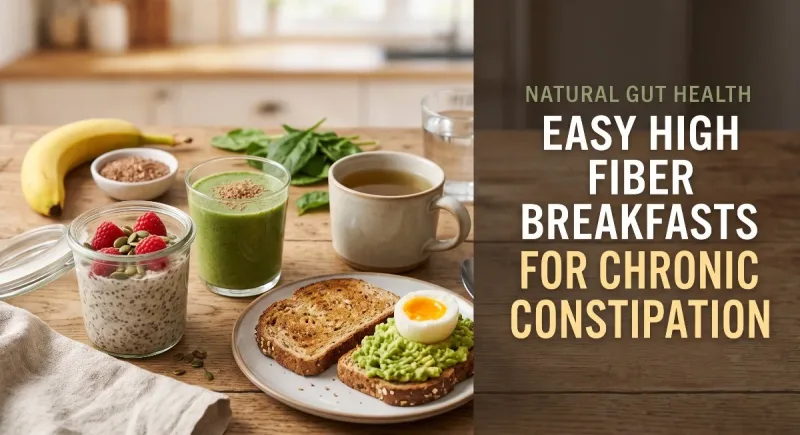
To relieve chronic constipation naturally, your morning meal should combine both soluble and insoluble dietary fibers paired with ample fluids and healthy fats. Soluble fiber absorbs water to form a slick, gel-like matrix that softens stool, while insoluble fiber adds structural bulk to stimulate rhythmic intestinal contractions (peristalsis). Beginning your day with targeted, high-fiber breakfast recipes like overnight chia seed oats, a ground flaxseed green smoothie, or avocado mash on sprouted whole-grain toast prompts the natural morning gastrocolic reflex to restore regular elimination.
Understanding how to balance different fiber types, introduce them gradually, and pair them with proper hydration is essential for comfortable digestion. Below is a practical guide featuring easy, delicious breakfast recipes, preparation tips, and digestive habits designed to jumpstart a sluggish gut.
Why Morning Is the Most Critical Window for Bowel Regularity
Your gastrointestinal tract operates on an internal circadian rhythm synchronized with your central nervous system. During sleep, colonic motor activity slows dramatically to allow for nutrient processing and tissue repair.
Upon waking and standing up, your colon experiences an abrupt surge in motor activity. When you eat breakfast, stomach distension triggers the gastrocolic reflex—a physiological signal sent via the vagus nerve and neuroendocrine peptides prompting the colon to contract and clear stored fecal matter downward toward the rectum.
If breakfast consists only of black coffee, sugary pastries, or refined white bread, this reflex remains weak and ineffective. However, delivering a balanced blend of dietary fiber, gentle fats, and warm fluids upon waking amplifies this reflex, prompting smooth, effortless morning bowel movements.
The Two Types of Fiber Your Gut Needs Every Morning
Achieving soft, easy-to-pass stools requires understanding the difference between the two primary fiber categories:
-
Soluble Fiber: Dissolves in water to create a slippery, viscous gel. It slows digestion slightly, traps moisture inside the fecal mass, and prevents hard, dry, compacted stools. Top sources include rolled oats, chia seeds, psyllium husks, apples, and ripe berries.
-
Insoluble Fiber: Does not dissolve in water. It acts like an internal broom, retaining its structure as it sweeps through the digestive tract. It adds bulk to stool, stimulating the intestinal walls to contract and push contents along. Top sources include wheat bran, sprouted grains, flaxseed meal, nuts, seeds, and leafy greens.
Consuming insoluble fiber without enough soluble fiber can lead to dry, scratchy stools that are painful to pass. Conversely, eating soluble fiber without adequate water can form a dense plug. The recipes below combine both fiber types with essential fluids to keep stool moving comfortably.
4 Easy High-Fiber Breakfast Recipes for Constipation Relief
These breakfast meals require minimal morning prep, deliver 8 to 14 grams of natural dietary fiber per serving, and utilize ingredients that gently support motility.
1. Overnight Chia Seed and Rolled Oats Pudding
Overnight oats provide an ideal combination of beta-glucan soluble fiber from rolled oats and mucilage fiber from chia seeds, absorbing liquid overnight to create a soothing, digestion-friendly meal.
-
Ingredients:
-
1/2 cup rolled old-fashioned oats (avoid instant sugar-sweetened packets)
-
2 tablespoons black or white chia seeds
-
1 cup unsweetened almond milk or warm water
-
1/2 teaspoon ground cinnamon
-
1/2 cup fresh raspberries or blackberries
-
1 tablespoon raw pumpkin seeds (pepitas)
-
-
Instructions:
-
Combine the rolled oats, chia seeds, and cinnamon in a glass jar.
-
Pour in the almond milk, stirring thoroughly to prevent the chia seeds from clumping at the bottom.
-
Seal the jar and refrigerate overnight (or for at least 4 hours).
-
In the morning, top with fresh berries and raw pumpkin seeds before serving.
-
2. Flaxseed and Spinach Morning Green Smoothie
Blending leafy greens and ground flaxseeds breaks down tough plant cell walls, making the nutrients and fiber easy for sensitive digestive tracts to process.
-
Ingredients:
-
1 cup fresh baby spinach or kale leaves
-
1 small ripe banana (or 1/2 cup frozen papaya chunks)
-
2 tablespoons freshly ground flaxseed meal
-
1 tablespoon unsweetened almond butter
-
1 cup coconut water or plain filtered water
-
1 teaspoon grated fresh ginger root
-
-
Instructions:
-
Add the liquid base and spinach to a blender; blend on high until smooth.
-
Add the ripe banana, ground flaxseed meal, almond butter, and grated ginger.
-
Blend until creamy. Pour into a glass and drink immediately.
-
-
Digestive Tip: Always use ground flaxseeds rather than whole seeds. Whole flaxseeds pass through the intestinal tract completely undigested, preventing your body from absorbing their soothing omega-3 oils and soluble mucilage.
3. Sprouted Grain Toast with Mashed Avocado and Poached Egg
For those who prefer a savory morning meal, sprouted whole-grain bread paired with healthy fats stimulates the release of bile, which acts as a natural lubricant in the small intestine.
-
Ingredients:
-
2 slices sprouted 100% whole-grain bread (such as Ezekiel bread)
-
1/2 medium ripe avocado
-
1 pastured egg (poached or soft-boiled)
-
1 tablespoon whole hemp hearts or sesame seeds
-
Pinch of pink Himalayan salt and black pepper
-
-
Instructions:
-
Toast the sprouted bread slices until golden and crisp.
-
In a small bowl, mash the avocado flesh with salt and pepper, then spread evenly over the warm toast.
-
Top with a freshly poached or soft-boiled egg.
-
Sprinkle hemp hearts over the top for extra insoluble fiber and healthy plant-based protein.
-
4. Warm Stewed Apple and Prune Oatmeal Porridge
Cooking dried fruits and apples releases natural pectin and softens insoluble fibers, making them particularly comforting during cold mornings.
-
Ingredients:
-
1/2 cup rolled oats
-
1 cup water or unsweetened oat milk
-
1 small sweet apple, peeled and diced
-
3 whole pitted prunes (dried plums), chopped small
-
1/4 teaspoon pure ground cinnamon
-
-
Instructions:
-
Bring water and diced apple chunks to a simmer in a small saucepan for 3 minutes until slightly tender.
-
Stir in the rolled oats, chopped prunes, and cinnamon.
-
Lower heat and simmer gently for 5 minutes, stirring occasionally until thick and creamy.
-
Remove from heat and allow to cool to a warm, edible temperature before eating.
-
Why Morning Hydration Multiplies Fiber Effectiveness
Dietary fiber is functionally useless without adequate water. Fiber acts like a dry sponge: when submerged in fluid, it expands, softens, and becomes pliable. If you consume high-fiber breakfasts while dehydrated, that dry sponge absorbs whatever moisture is left in your intestines, turning into a dense, unyielding blockage that worsens constipation and cramping.
To maximize the benefits of a high-fiber breakfast, establish this simple morning hydration habit:
-
The 500ml Wake-Up Rule: Drink 16 ounces (500 ml) of lukewarm or room-temperature water immediately upon getting out of bed, at least 15 to 20 minutes before taking your first bite of food.
-
Warmth Promotes Movement: Warm liquids stimulate the intestinal smooth muscle walls, encouraging early morning peristalsis.
-
Add a Slice of Fresh Lemon: While lemon does not act as a laxative on its own, its mild citric taste can stimulate salivary glands and digestive enzymes, priming the gastrointestinal tract for breakfast.
Common Breakfast Fiber Mistakes That Worsen Constipation
When trying to resolve constipation quickly, many people make well-intentioned errors that end up aggravating gut symptoms:
-
Increasing Fiber Intake Too Rapidly: Suddenly jumping from 10 grams of daily fiber to 35 grams within 24 hours overwhelms your resident gut microbes, causing excessive bacterial gas production, painful bloating, and sharp abdominal spasms. Increase your fiber intake gradually by 3 to 5 grams every few days.
-
Relying Exclusively on Wheat Bran: Wheat bran is composed almost entirely of rough, insoluble fiber. Consuming large quantities of dry bran flakes without sufficient soluble fiber or water can create hard, scratchy stools that are painful to pass.
-
Consuming Fiber Alongside Dehydrating Diuretics: Washing down a dry bran muffin with two large cups of strong black espresso pulls fluids from the intestinal wall into the kidneys, drying out the bowel contents.
-
Skipping Dietary Fats: Fat triggers the release of cholecystokinin, a digestive hormone that stimulates gallbladder contractions and encourages colonic emptying. Eating a completely fat-free high-fiber meal can lead to dry, sluggish transit. Include healthy fats like avocado, olive oil, ground seeds, or nuts.
When to Seek Medical Guidance for Chronic Constipation
While dietary adjustments and morning habits resolve most cases of functional constipation, chronic bowel irregularities can sometimes indicate underlying clinical conditions that require evaluation.
Schedule an appointment with a physician or gastroenterologist if you notice:
-
Severe, persistent constipation that does not respond to dietary fiber, fluids, or lifestyle changes over two to three weeks.
-
Blood on your stool, in the toilet bowl, or on the toilet paper.
-
Unexplained, progressive weight loss accompanying bowel changes.
-
Severe, persistent abdominal pain or cramping that awakens you from sleep.
-
A sudden, unexplained change in bowel habits lasting several weeks, especially if you are over the age of 50.
-
Feeling a physical sensation of obstruction or inability to fully evacuate the bowel despite repeated straining.
Medical Disclaimer: The information presented in this article is for educational and informational purposes only and is not intended as medical advice, clinical diagnosis, or individualized treatment. Always consult a qualified physician or healthcare provider before significantly altering your dietary fiber intake, especially if you have an underlying gastrointestinal condition such as strictures, inflammatory bowel disease, or severe motility disorders.




Comments
No comments yet. Be the first to ask a question or share an update.
Leave a comment
Your mobile number is never published. Comments appear after review. Website links, email addresses and code are not allowed.