
Waking up the morning after an intense acid reflux attack often leaves you feeling raw, exhausted, and cautious about every swallow. A severe flare-up exposes delicate mucosal tissues in the esophagus, throat, and vocal cords to corrosive gastric acid and active pepsin enzymes, creating localized inflammation and heightened sensitivity.
To soothe your digestive system the day after a bad acid reflux flare up, eat gentle, alkaline, low-fat, and non-citrus whole foods such as warm rolled oatmeal, soft-boiled eggs, steamed zucchini, bone broth, and ripe bananas. Eat small, frequent meals rather than large portions, drink fluids between meals instead of with food, and avoid high-fat meals, caffeine, tomato sauces, and acidic citrus fruits entirely.
Understanding how to choose foods that heal rather than irritate raw esophageal tissue is key to resetting your digestion. Below is an evidence-based roadmap detailing exactly what to eat, what to avoid, and how to pace your meals during recovery.
Why Your Stomach and Esophagus Need a Reset Day
When stomach contents surge upward past the Lower Esophageal Sphincter (LES), gastric hydrochloric acid strips away the defensive epithelial layer of the esophagus. This process, known clinically as acute acid-induced esophagitis, leaves nerve endings exposed and reactive.
Even normal digestive motions can trigger burning sensations, throat tightness (globus sensation), or mild nausea the following day.
A recovery diet accomplishes three vital physiological objectives:
-
Lowers Gastric Distension: Soft, low-volume foods leave the stomach quickly without stretching the gastric chamber.
-
Maintains Neutral or Alkaline pH: Non-acidic choices protect healing tissues from chemical reinjury.
-
Minimizes Bile and Acid Production: Keeping dietary fat extremely low reduces the hormonal signaling, specifically cholecystokinin, that prompts the stomach to churn out surplus acid.
The Best Soothing Foods After a Heartburn Flare-Up
Focus on mild, easily digestible whole foods that coat, calm, and nourish the stomach lining without placing demanding mechanical or enzymatic burdens on your digestive tract.
1. Soluble Fiber Whole Grains: Cooked Oatmeal and Rice Porridge
Cooked rolled oats are an ideal choice for the morning after heartburn. Oats contain beta-glucan, a soluble fiber that absorbs excess stomach acid and coats the stomach and esophageal walls with a soft, protective film.
Cook your oatmeal in plain water or unsweetened, low-fat almond milk until very soft. Avoid topping with acidic berries, cow’s milk cream, or heavy nut butters. Alternatively, well-cooked white basmati rice, cream of rice porridge, or plain boiled quinoa provide safe, non-irritating complex carbohydrates that are easy on an inflamed digestive tract.
2. Tender Lean Proteins: Poached Eggs and Skinless Chicken Breast
Your body requires protein to regenerate damaged esophageal epithelial cells. However, high-fat animal proteins trigger large releases of stomach acid and sit in the stomach for hours.
Stick to lean, ultra-digestible proteins:
-
Soft Poached or Boiled Eggs: Whole fried eggs contain fats that relax the LES, but soft poached eggs or egg white scrambles prepared without cooking oils provide pure, easily broken-down protein.
-
Boiled or Steamed Chicken Breast: Strip all visible fat and skin. Dice the cooked meat finely and pair it with plain rice or clear broth.
-
Soft Steamed White Fish: Cod, tilapia, or haddock prepared without butter or citrus marinade offer clean protein that digests smoothly.
3. Non-Acidic, Non-Cruciferous Cooked Vegetables
Vegetables deliver essential micronutrients, but raw salads and cruciferous vegetables like broccoli, kale, raw cabbage, and cauliflower produce intestinal gas, which pushes the stomach upward against the diaphragm.
Instead, select non-cruciferous vegetables and cook them thoroughly until fork-tender:
-
Steamed Zucchini and Summer Squash: Incredibly gentle on the stomach lining with virtually no harsh insoluble roughage.
-
Peeled, Boiled Carrots: Naturally alkaline and sweet without containing citrus-like acid.
-
Baked Sweet Potatoes: Peel the skin off and mash lightly with a pinch of sea salt. Sweet potatoes offer a soothing source of complex carbohydrates that stabilize digestion without triggering gastric acid secretion.
4. Non-Citrus Alkaline Fruits: Bananas, Melons, and Stewed Apples
Raw, crunchy fruits or high-acid citrus varieties can feel like sandpaper on an irritated esophagus. Stick strictly to soft, non-citrus selections:
-
Ripe Bananas: Ripe bananas are naturally low in acid (pH around 5.0) and rich in potassium, which helps regulate fluid and acid balances. Their smooth texture coats raw mucosal tissues on the way down.
-
Papaya: Fresh ripe papaya contains papain, a natural proteolytic enzyme that assists your body in breaking down dietary proteins, taking the processing load off the stomach.
-
Stewed Peeled Apples (Homemade Applesauce): Raw apples can be hard to break down, but simmering peeled sweet apples in water until soft creates a pectin-rich mash that calms inflammation.
-
Honeydew and Cantaloupe: Both varieties are high in water content and carry a low-acid profile that refreshes a parched throat.
5. Clear Electrolyte-Rich Broths
If solid foods feel intimidating because of a sore, tender throat, lean on warm broths during the early part of the day:
-
Bone Broth: High-quality chicken or beef bone broth contains natural gelatin, collagen, and amino acids like glycine and glutamine that actively nourish and soothe gastrointestinal linings.
-
Herbal Infusions: Lukewarm chamomile tea, licorice root tea (deglycyrrhizinated licorice or DGL), or fennel seed tea help relax spasms in the gastrointestinal tract and buffer acidity.
Foods and Drinks to Avoid the Day After a Flare-Up
The day after a major acid reflux episode, your digestive tract is in a vulnerable rebuilding phase. Even a single trigger food can restart the reflux cycle and undo hours of tissue recovery.
-
Coffee and Caffeinated Teas: Even decaffeinated coffee contains natural roasting acids that stimulate gastrin secretion. Caffeine directly weakens the muscular seal of the lower esophageal sphincter. Skip caffeine completely for 24 hours.
-
Citrus and Tomato Products: Avoid lemons, limes, grapefruits, oranges, tomato soups, pizza sauces, and salsa. Their low pH will directly burn exposed esophageal tissues.
-
Vinegars and Fermented Dressings: Avoid vinaigrettes, pickles, kimchi, and hot sauces. Any condiment with acetic or citric acid should be kept off your plate.
-
Peppermint, Spearmint, and Menthol: While often used for generic nausea, mint contains volatile oils that pharmacologically relax smooth muscle tissue, which leaves the LES wide open to further acid leaks.
-
High-Fat Meats, Hard Cheeses, and Fried Foods: High-fat meals take up to 4 to 6 hours to clear the stomach, generating high internal pressure and persistent acid baths.
-
Carbonated Beverages: Sparkling water, sodas, and fizzy tonics release dissolved carbon dioxide inside the stomach. This gas forms large bubbles that expand the stomach walls, forcing the esophageal sphincter to vent acid upward.
The Ideal Day-After Recovery Meal Plan
Structure your day around small, frequent meals spaced roughly 2.5 to 3 hours apart. Eating smaller meals prevents your stomach from expanding and pressing against the LES.
-
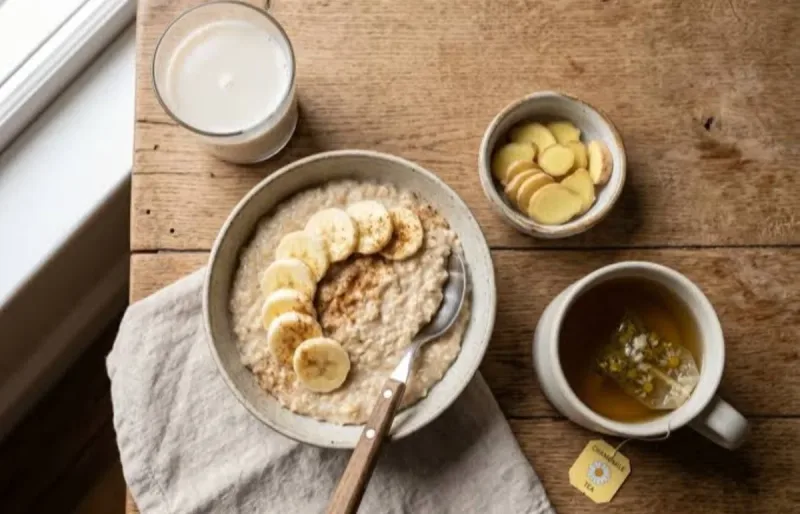
8:00 AM (Recovery Breakfast): Warm oatmeal cooked in water, topped with half of a sliced ripe banana, paired with a lukewarm cup of brewed chamomile or fennel tea.
-
10:30 AM (Mid-Morning Snack): A small bowl of homemade unsweetened, peeled applesauce and two plain low-sodium whole wheat crackers.
-
1:00 PM (Soothing Lunch): Finely diced poached chicken breast served over steamed white basmati rice, accompanied by tender boiled carrots and steamed zucchini.
-
4:00 PM (Afternoon Reset): One cup of warm chicken bone broth with a small slice of ripe honeydew melon or sweet papaya.
-
6:30 PM (Light Dinner): Soft-baked white fish or two soft poached eggs served with mashed boiled sweet potato (no butter, light sea salt only) and steamed green beans.
-
8:30 PM (Evening Fluid Cutoff): Small, measured sips of lukewarm water or warm DGL licorice tea, with zero solid foods or snacks before bed.
Strategic Eating Habits to Prevent Secondary Flare-Ups
What you do during and after your meal is just as critical as the food on your plate:
Separate Food and Beverages by 30 Minutes
Drinking large glasses of water during meals is a common habit that exacerbates acid reflux. Liquids add physical volume to the stomach, causing it to stretch and press against the esophageal valve while diluting natural digestive enzymes. Take only tiny sips to lubricate food while chewing, and drink the majority of your fluids 30 to 45 minutes before or after meals.
Chew Every Bite Until It Is Liquefied
Your teeth and saliva form the first stage of digestion. Chewing food thoroughly mixes it with salivary amylase and bicarbonate, which neutralizes residual food acidity. Mechanically breaking down food before swallowing reduces the amount of churning and acid production your stomach must perform later.
Stay Upright for at Least 3 Hours After Eating
Never lie down on a sofa or recline in a deep lounge chair immediately after eating. Keep your torso completely vertical to allow gravity to pull food steadily through the stomach into the duodenum. If you feel tired after lunch, take a slow, gentle 10-minute walk or sit comfortably in an upright, supportive chair.
When to Contact a Healthcare Professional
A bad acid reflux flare-up should progressively resolve within 24 to 48 hours of clean, supportive eating. However, you should consult a doctor if you notice any of the following warning signs:
-
Difficulty Swallowing (Dysphagia): Feeling like food is physically catching or sticking in your mid-chest on the way down.
-
Persistent Painful Swallowing (Odynophagia): Severe, sharp pain every time liquids or soft bites pass the throat.
-
Unintended Weight Loss: Rapid weight drop caused by fear of eating or inability to keep food down.
-
Vomiting or Tarry Stools: Emesis containing blood, coffee-ground-like residue, or bowel movements that appear jet black.
-
Severe, Radiating Chest Pain: Chest pressure that spreads into your shoulder, back, neck, or jaw, or chest discomfort paired with shortness of breath.
Medical Disclaimer: This guide is intended for informational and educational purposes only and should not replace personalized medical advice, clinical evaluations, or treatment plans from a licensed healthcare provider. If you experience persistent chest pain, chronic heartburn, or difficulty swallowing, consult a qualified physician immediately.


Comments
No comments yet. Be the first to ask a question or share an update.
Leave a comment
Your mobile number is never published. Comments appear after review. Website links, email addresses and code are not allowed.