
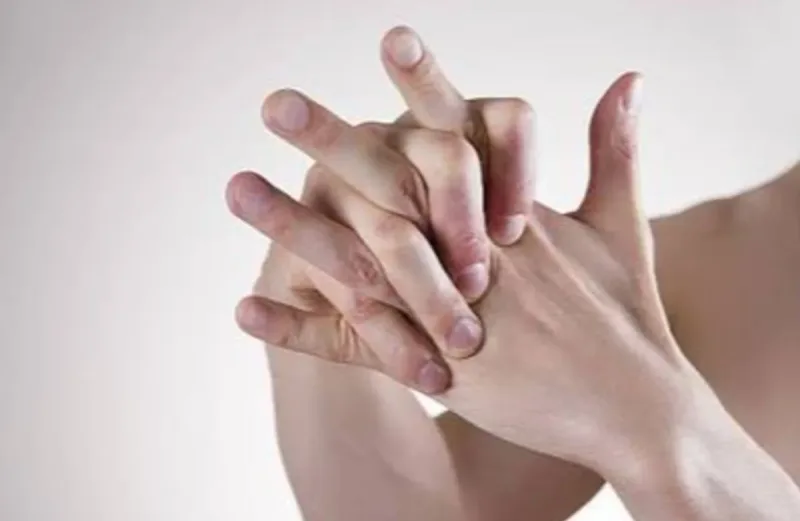
Winter brings cozy sweaters, crisp mornings, and holiday cheer, but for millions living with joint conditions like osteoarthritis, rheumatoid arthritis, or repetitive strain, it also ushers in a familiar ache. When the temperature drops, your hands and fingers often bear the brunt of the cold. You wake up with stiff, throbbing knuckles, reduced grip strength, and fingers that feel swollen and difficult to bend.
Finding sustainable, gentle relief is essential for getting through the colder months comfortably. Exploring proven, natural ways to reduce joint inflammation in fingers during winter can help you regain mobility, relieve stiffness, and protect delicate hand joints without relying solely on over-the-counter painkillers.
Why Cold Weather Worsens Finger Joint Inflammation
To treat winter joint pain effectively, it helps to understand what happens inside your hands when the mercury plummets:
-
Decreased Blood Circulation: When exposed to low temperatures, your body naturally conserves heat by constricting peripheral blood vessels (vasoconstriction). This directs warm blood toward your vital internal organs, leaving your extremities—particularly your fingers and toes—deprived of optimal blood flow. Poor circulation makes connective tissues less pliable and delays the clearance of inflammatory cellular waste.
-
Thickening of Synovial Fluid: Synovial fluid acts as your joints' natural shock absorber and lubricant. Just like motor oil thickens in cold weather, synovial fluid becomes denser and more viscous at lower temperatures, creating mechanical friction and morning stiffness.
-
Barometric Pressure Fluctuations: Cold fronts frequently bring drops in atmospheric pressure. Reduced barometric pressure allows inflamed periarticular tissues, tendons, and joint capsules to expand microscopically, irritating surrounding nerve endings and triggering throbbing flare-ups.
-
Increased Pain Sensitivity: Cold weather heightens the sensitivity of pain receptors (nociceptors) in the skin and joint tissues, making standard joint discomfort feel noticeably sharper.
1. Harness Moist Heat Therapy
Dry indoor air combined with cold winds can leave your hands chilled to the bone. While dry heating pads offer quick warmth, moist heat penetrates deeper into the soft tissues, muscles, and joint capsules surrounding your fingers.
-
Warm Water Soaks: Soak your hands in a basin of warm (not scalding) water for 15 to 20 minutes every morning. The temperature should hover around 36°C to 39°C (98°F to 102°F). Gently open and close your hands while submerged to circulate fluid.
-
Warm Damp Towel Wraps: Dampen a small hand towel, microwave it for 20 to 30 seconds until pleasantly warm, wrap it around both hands, and slide them inside a dry plastic bag or dry towel to lock in moisture and heat.
-
Heated Mittens: Microwaveable flaxseed or herbal mittens provide sustained, hands-free moist heat that you can use while reading or resting in the evening.
2. Soak in Magnesium-Rich Epsom Salt Baths
Magnesium plays a critical role in nerve conduction, muscle relaxation, and inflammatory regulation. While dietary magnesium is essential, topical soaking provides immediate localized comfort.
When dissolved in warm water, Epsom salt breaks down into magnesium and sulfate. Immersing your hands in an Epsom salt bath helps draw out fluid retention, relaxes constricted digital vessels, and calms persistent aching in tender knuckle joints.
-
Dissolve half a cup of pure Epsom salt into a medium bowl filled with comfortably warm water.
-
Soak both hands for 15 to 20 minutes.
-
Rinse your hands with fresh lukewarm water, pat dry, and immediately moisturize to prevent winter skin cracking.
3. Wear Compression and Thermal Arthritis Gloves
Managing ambient warmth is half the battle when managing winter joint flares. Specialized arthritis compression gloves are designed to provide mild, continuous pressure and retain body heat.
-
How Compression Helps: Gentle, uniform pressure prevents fluid accumulation (edema) in the small finger joints and provides sensory feedback that stabilizes trembling or aching fingers.
-
Material Matters: Look for breathable, moisture-wicking blends of cotton and spandex or bamboo fiber.
-
Fingerless Designs: Fingerless compression gloves leave fingertips open for typing, writing, and phone use while keeping the palms, wrists, and knuckles covered.
-
Overnight Wear: If you routinely wake up with "frozen" or locked fingers, wearing soft thermal compression gloves overnight traps body warmth, ensuring you wake up with significantly less morning stiffness.
4. Perform Gentle Finger Mobility and Range-of-Motion Exercises
Rest is important during an acute flare-up, but prolonged inactivity causes finger joints to stiffen further. Regular, low-impact hand routines circulate fresh synovial fluid and preserve dexterity. Always warm your hands before exercising.
The Gentle Fist and Finger Fan
-
Hold your hand upright with fingers straight.
-
Slowly curl your fingers into a soft fist, placing your thumb across the outside of your fingers (never squeeze tightly).
-
Hold for 5 seconds, then slowly unfold and extend your fingers wide.
-
Repeat 8 to 10 times per hand.
Finger "O" Tap
-
Hold your hand relaxed with fingers pointing upward.
-
Slowly touch the tip of your index finger to the tip of your thumb, forming an "O" shape.
-
Hold for 3 seconds, release, and repeat with your middle, ring, and pinky fingers.
-
Complete 3 cycles per hand to maintain fine motor control.
Tabletop Finger Lifts
-
Rest your palm flat on a firm table or desk.
-
Slowly lift your index finger upward off the surface without moving the other fingers.
-
Lower it gently, then repeat with each finger consecutively.
5. Massage Hands with Anti-Inflammatory Essential Oil Blends
Targeted self-massage breaks up tissue adhesions, encourages lymphatic drainage, and stimulates circulation directly in the capillaries of the hands.
Pairing massage with plant-based botanical oils adds a therapeutic biochemical benefit:
-
Arnica Montana: A traditional European botanical renowned for reducing bruising, soft-tissue swelling, and localized joint aches.
-
Ginger and Black Pepper Essential Oils: Warming oils that stimulate cutaneous microcirculation, counteracting cold-induced vasoconstriction.
-
Frankincense (Boswellia carterii): Rich in boswellic acids, frankincense helps downregulate pro-inflammatory enzymes.
How to Apply: Mix 2 to 3 drops of essential oil into a tablespoon of carrier oil (such as sweet almond, jojoba, or warm virgin coconut oil). Warm the blend between your palms and gently stroke from the tips of your fingers down toward your wrists in long, smooth, milking motions. Massage the fleshy base of your thumb and each knuckle using soft circular motions.
6. Adopt an Anti-Inflammatory Winter Diet
Cold weather often sparks cravings for refined carbohydrates, sugary baked goods, and rich comfort foods. However, these foods spike blood glucose levels and stimulate advanced glycation end-products (AGEs), driving systemic inflammation.
Rebalance your internal chemistry during winter by incorporating anti-inflammatory whole foods:
-
Cold-Water Fatty Fish: Wild salmon, mackerel, sardines, and anchovies provide high concentrations of eicosapentaenoic acid (EPA) and docosahexaenoic acid (DHA). These omega-3 fatty acids directly inhibit the production of inflammatory cytokines.
-
Leafy Winter Greens: Kale, spinach, and Swiss chard provide antioxidants, vitamin C (vital for collagen synthesis), and magnesium.
-
Deeply Pigmented Berries: Frozen blueberries, blackberries, and cherries contain anthocyanins that protect cellular membranes from oxidative damage.
-
Extra Virgin Olive Oil: Cold-pressed olive oil contains oleocanthal, a natural compound that operates along similar biochemical pathways to low-dose ibuprofen.
7. Use Golden Milk and Warming Herbal Teas
Hydration is frequently neglected during colder months because thirst signals diminish. Drinking warm, therapeutic herbal infusions keeps joints lubricated from within while flooding your system with protective phytonutrients.
Turmeric Golden Milk
Curcumin, the primary bioactive polyphenol in turmeric, is an extensively studied natural anti-inflammatory agent.
-
Heat 1 cup of unsweetened almond or oat milk in a small saucepan.
-
Whisk in 1/2 teaspoon of pure turmeric powder, 1/4 teaspoon of ground ginger, and a small pinch of freshly cracked black pepper.
-
Why Black Pepper Matters: Black pepper contains piperine, a compound that enhances the bioavailability and cellular absorption of curcumin by up to 2000%.
-
Stir in a dash of cinnamon and a teaspoon of raw honey before sipping warm.
Fresh Ginger and Willow Bark Tea
Gingerol compounds in fresh ginger root suppress pro-inflammatory prostaglandin synthesis. Simmer thin slices of fresh ginger root in boiling water for 10 minutes to brew a daily joint-soothing tonic.
8. Dip Hands in a Paraffin Wax Bath
Paraffin wax therapy is a classic physical therapy modality you can easily recreate at home with an inexpensive medical-grade paraffin bath unit.
-
Melt clean paraffin wax (which melts at a low, skin-safe temperature).
-
Dip your hand into the liquid wax, withdraw it for a few seconds to let a layer form, and repeat 4 to 5 times until a thick, insulating coating covers your fingers and wrist.
-
Slide your hand into a plastic wrap liner, then cover it with a thick insulated mitt.
-
Relax for 15 to 20 minutes while the wax slowly releases deep, penetrating thermal energy straight into stiff joint capsules.
-
Once cooled, peel the pliable wax off—your skin will feel soft and your fingers noticeably more limber.
9. Optimize Vitamin D and Omega-3 Supplementation
Winter daylight is shorter and sun exposure drops, which frequently leads to suboptimal vitamin D levels. Vitamin D functions as an essential hormone in immune modulation; low serum levels are clinically linked to heightened autoimmune activity and increased joint sensitivity.
-
Vitamin D3: Consult your physician to evaluate your 25-hydroxy vitamin D levels and determine an appropriate winter maintenance dose (typically 1,000 to 4,000 IU daily).
-
High-Potency Omega-3 Supplements: If your diet lacks fatty fish, consider adding molecularly distilled fish oil or algae-derived vegan omega-3s. Aim for a combined daily intake of at least 1,200 to 1,500 mg of EPA and DHA to curb joint inflammation.
10. Stay Hydrated and Maintain Stable Indoor Humidity
Forced indoor heating systems pull humidity out of home environments, dropping ambient indoor moisture levels below 20%. Dehydration reduces overall synovial fluid volume and makes connective tissues more brittle.
-
Use a Ultrasonic Room Humidifier: Keep indoor relative humidity between 40% and 50% in your living and sleeping areas to prevent cellular dehydration and ease airway and skin dryness.
-
Sip Warm Fluids Consistently: Keep a thermos of warm water or herbal infusion nearby throughout the day. Target roughly 2 to 2.5 liters of total fluid intake daily, adjusting for your personal body size and activity levels.
Daily Winter Routine for Healthy, Pain-Free Fingers
To get the most out of these natural strategies, combine them into an easy daily rhythm:
-
Morning: Start with a 10-minute warm water soak or herbal tea while performing the gentle finger mobility exercises.
-
Daytime: Wear fingerless compression gloves during desk work or chores. Keep insulated, windproof mittens near the door so you never expose bare hands to freezing winds.
-
Evening: Massage knuckles with warm botanical oils, enjoy a mug of turmeric golden milk, and use moist heat packs or paraffin wax while unwinding.
Medical Disclaimer:The information provided in this article is intended solely for educational, informational, and lifestyle purposes and should not be construed as medical advice, diagnosis, or treatment. Chronic joint pain, persistent heat, severe redness, or sudden joint deformities may indicate underlying clinical conditions such as rheumatoid arthritis, psoriatic arthritis, gout, or infections that require professional evaluation. Always consult a qualified physician, rheumatologist, or licensed physical therapist before beginning any new supplementation, dietary regimen, or physical therapy routine, particularly if you are pregnant, nursing, taking prescription medications (such as blood thinners), or managing chronic health disorders.




Comments
No comments yet. Be the first to ask a question or share an update.
Leave a comment
Your mobile number is never published. Comments appear after review. Website links, email addresses and code are not allowed.